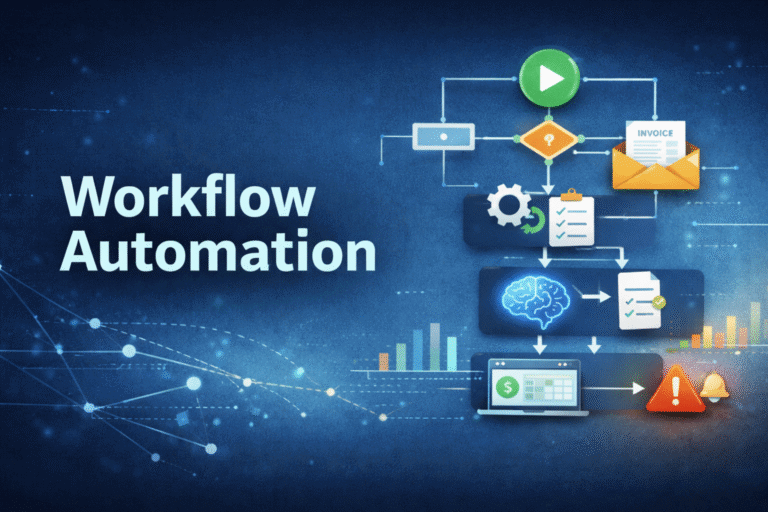




If you’re just getting into exploring AI past ChatGPT and Gemini, here are some easy to understand FAQs about the newly created Agentic AI Foundation. If you want more information on the Agentic AI Foundation, check out this article.
Agentic AI Foundation (AAIF) FAQ
What is AAIF in the simplest terms?
It’s a nonprofit group that helps make advanced AI systems safe, open, and able to work together.
Why do we need it?
Without shared standards, every company would build incompatible AI systems. AAIF prevents fragmentation and ensures AI systems can communicate and collaborate.
What makes agentic AI special?
It can plan and take action, not just answer questions, making it more like a digital assistant than a chatbot.
Who controls AAIF?
Nobody. It is governed openly by the Linux Foundation, a respected neutral steward known for managing major open-source projects.
What does AAIF actually maintain?
It hosts the key building blocks of the agentic AI ecosystem, including:
Model Context Protocol (MCP)
AGENTS.md
goose framework
Agent2Agent Protocol (A2A)
AGNTCY (for identity, messaging, and discovery)
Does this affect everyday people?
Yes. As standards improve, AI tools will become more capable, reliable, and consistent across platforms, making AI assistants more useful.
What about businesses?
Businesses benefit from automation, lower costs, easier integrations, and less dependency on any one vendor.
Is AAIF growing?
Yes. AWS, Google, Microsoft, Cloudflare, and Bloomberg have all joined the growing support.
What’s the long-term goal?
To create the “internet standards” for AI agents, enabling a future where AI systems from different companies collaborate safely and reliably on a global scale.
General Agentic AI FAQ
How is agentic AI different from regular chatbots or generative AI?
Regular AI responds when asked.
Agentic AI can take action: plan steps, use tools, trigger workflows, and collaborate with other agents. It acts more like a helpful assistant than a simple chatbot.
Is agentic AI safe?
Yes. Given that proper guardrails are in place. Agentic AI systems typically include:
permission controls
audit logs
limited tool access
optional human approval steps
AAIF’s standards help ensure these safety measures are consistent across platforms.
Does agentic AI always act independently?
No. Most agentic AI today is semi-autonomous. It can act on its own within set boundaries, but humans can still supervise decisions, restrict access, or require approvals.
How soon will agentic AI become common?
It’s already being used in customer service, workflow automation, development tools, and productivity apps. As standards mature and systems become more interoperable, adoption will accelerate rapidly.
Can agentic AI work with tools I already use?
Yes. One of its strengths is the ability to connect to external tools, apps, and data sources such as calendars, email, CRMs, spreadsheets, APIs, and internal business systems.