


As AI becomes more capable and more embedded in everyday tools, a new challenge is emerging: making sure different AI systems can work together safely and reliably. That’s where the Agentic AI Foundation comes in.
What Is the Agentic AI Foundation?
The Agentic AI Foundation (AAIF) is a nonprofit initiative designed to create shared, open standards that make advanced AI systems safer, more compatible, and more reliable. By operating under the Linux Foundation, one of the most trusted names in open-source technology, AAIF benefits from a long history of successful open-source governance.
Wait, What Is Agentic AI?
You are probably familiar with generative AI like ChatGPT, Claude, or Gemini. You give it a prompt and it creates something. You ask; it answers.
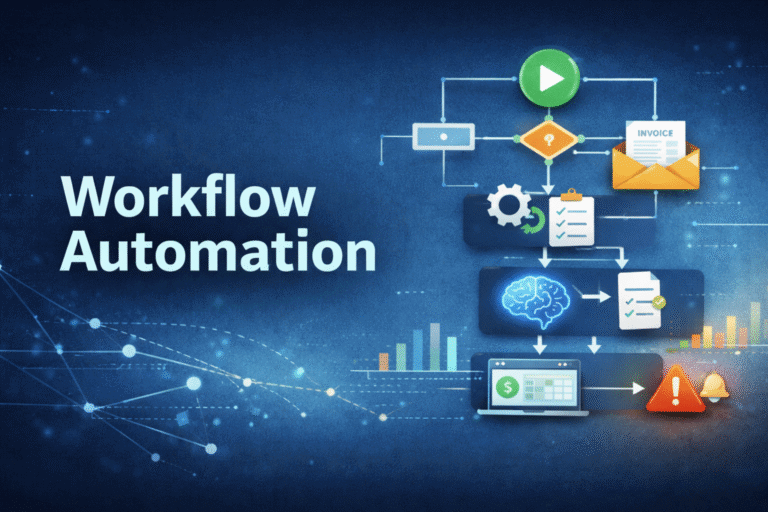
Agentic AI is the next step in the AI evolution. Agents use LLMs as a “brain” to perform actions through external tools or in cooperation with other agents. This is how agentic AI is different from the generative AI you may be used to.
Agentic AI can:
- understand goals
- break tasks into steps
- use tools or data sources
- make decisions
- carry out actions
Imagine an AI that can research a topic, create a draft, check your calendar, schedule a meeting, and send a follow-up email — all without needing you to guide every step. That’s the core idea behind agentic AI. The AAIF was created to make sure these systems work safely and smoothly across different platforms.
Who Is Involved?
The foundation began with contributions from some of the most important players in AI:
- Anthropic – contributed the Model Context Protocol (MCP), which helps AI connect to external tools and data
- OpenAI – contributed AGENTS.md, a simple standard for describing what an AI agent can do
- Block (Square) – contributed the “goose” framework, a toolkit for building AI agents
Major cloud and infrastructure providers like AWS, Google, Microsoft, Cloudflare, and Bloomberg support the effort, and AAIF continues to grow.
What Are the AAIF’s Goals?
AAIF exists to ensure agentic AI develops in a healthy, open, and scalable way. Its goals include:
1. Making AI systems work well together
Just like websites need shared internet standards, AI agents need common protocols. AAIF helps different AI tools “speak the same language.”
2. Ensuring open, neutral governance
Because AAIF is hosted by the Linux Foundation, no single company controls it. Standards remain transparent, community-driven, and vendor-neutral.
(Open governance means multiple organizations — not just one company — help decide how the standards evolve.)
3. Broadening participation
By welcoming cloud providers, infrastructure companies, startups, researchers, and developers, AAIF is building a sustainable ecosystem rather than a closed club.
4. Building the foundations for multi-agent collaboration
Efforts like the Agent2Agent Protocol (A2A) and AGNTCY help agents communicate securely, discover each other, manage identity, and coordinate tasks.
Why AAIF Matters
More helpful, capable AI
AI agents built on shared standards can handle complex tasks across different systems, making them more practical for everyday users and businesses.
Less vendor lock-in
Open standards mean freedom: companies aren’t stuck with one provider’s tools and can mix and match what works best.
Easier, safer AI adoption
With standards for communication, security, and behavior, organizations can use AI more confidently.
A better path for innovation
Open-source foundations have historically accelerated progress — the internet, cloud, and mobile ecosystems all grew because of widely accepted standards. AAIF could play a similar role for agentic AI.
What Does This All Mean?
The Agentic AI Foundation represents an opportunity to do for AI what the World Wide Web Consortium (W3C) did for the web, helping to move from isolated systems toward open, interoperable, action-oriented agents. By uniting major AI labs, cloud platforms, and infrastructure companies under a shared vision, AAIF is laying the groundwork for the next era of artificial intelligence.
If successful, the AAIF can help unlock innovation, enable collaboration, and ensure the benefits are accessible to all.